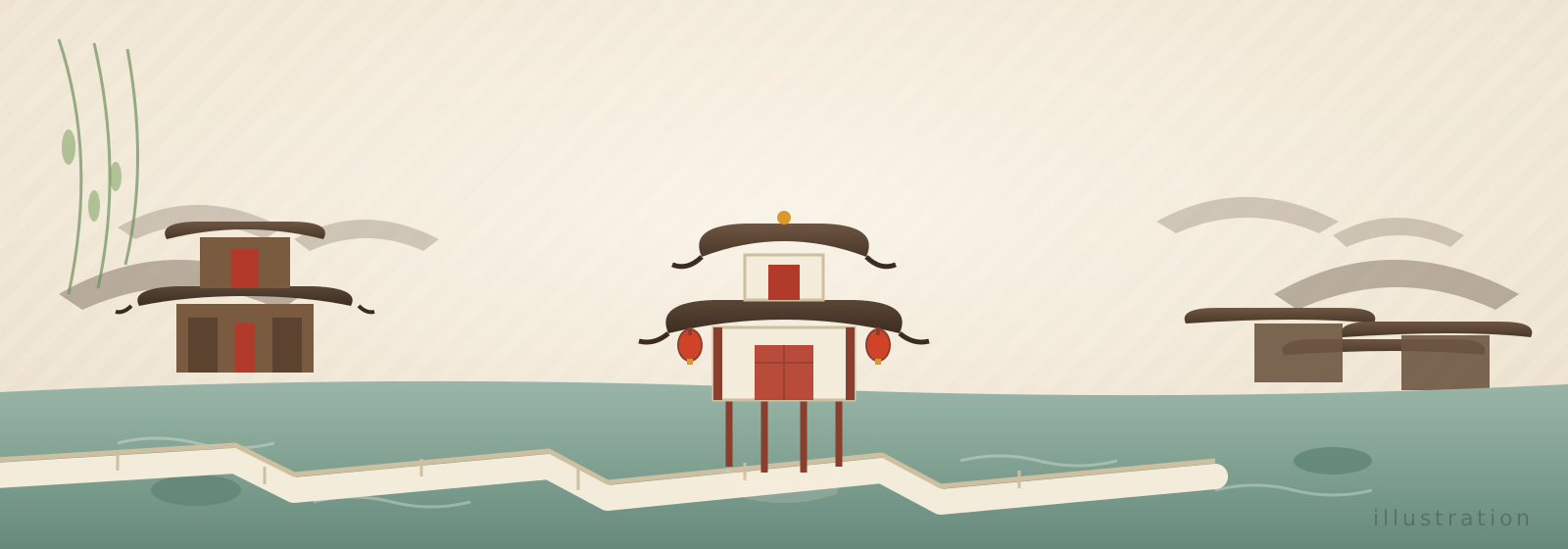
SHANGHAI · OLD-TOWN ROUTE
Yuyuan Old Town Snack Route
The highest-density snack walk in the city where Shanghai began. Cross the Nine-Zigzag Bridge, drink tea at the Huxinting pavilion, and go from Nanxiang's soup dumplings to Lubolang's dim sum — the old town's small eats, each tied to the shop that makes it.
What Yuyuan is
Yuyuan is a Ming-dynasty garden — begun around 1559 and finished, after nearly twenty years, around 1577 — built by the official Pan Yunduan for his father Pan En to enjoy in old age. The name "Yu" carries the sense of ease and of pleasing one's parents; it is a garden of filial devotion. In some twenty thousand square metres it folds together rockeries, ponds and covered walkways, and sets the great Lake Tai stone known as "Yu Linglong," counted among the finest in the Jiangnan region — a whole landscape of hills and water compressed into a narrow plot. It fell into ruin under the Qing, survived the upheavals of the Taiping Rebellion, and was restored again and again to reach us today. The garden itself is a ticketed area, but the eating happens outside it — in the "Yuyuan Bazaar" and around the City God Temple across the way.
The Old Town — where Shanghai began
The quarter around Yuyuan is the Old Town (Laochengxiang), once ringed by a city wall and the oldest core of Shanghai. Long before the foreign concessions raised their towers, people lived, traded and worshipped here. So the food was never invented for tourists; it is the everyday Shanghai of the past, kept as it was. The Bazaar is a district of Ming-and-Qing-style roofs running eave to eave, and beneath them stand the old houses of "xiaochi" — small eats: soup dumplings, tangyuan, vegetable buns, spiced beans, pear-syrup candy. Each portion is small, which is exactly the point: you graze a little at a time, house after house.
How to walk this route
Start at Yuyuan station on Metro Line 10. Come out onto Fangbang Road and head east toward the Bazaar. Wake up your mouth first with spiced beans and pear-syrup candy — the dry snacks and sweets long sold at the temple gate — then, in the heart of the Bazaar, go for the soup dumplings at Nanxiang. It is a famous shop with a queue, so the earlier the better. At the pond, cross the Nine-Zigzag Bridge to the Huxinting teahouse; the bridge bends nine times, and the saying goes that "you can't walk straight, so evil can't follow." After tea, break the sweetness and salt with Ningbo-style black-sesame tangyuan and a vegetable bun, then finish sitting down over dim sum at Lubolang. Reckon about ninety minutes on foot, mixing standing snacks with places to sit.
What to look for
The star of the route is the wooden teahouse floating at the centre of the pond — Huxinting. It is the oldest surviving teahouse in Shanghai; climb to the upper floor and the windows hold nothing but the lotus pond and Yuyuan's tiled roofs. Sipping gaiwan tea while the crowds cross the bridge below is itself the attraction. To eat, don't miss the crab soup dumplings at Nanxiang, founded in 1900 — nick the thin skin, sip the hot soup, then eat the rest. And Lubolang, a Shanghai-cuisine house that has hosted state guests, serves refined fried pastries such as the eyebrow-shaped "meimao su" filled with crab — a different order of care from the street stalls. Add the meat-free buns of Chunfeng Songyuelou and you have seen, in a single walk, the full breadth of Shanghai's small eats: sweet, savoury and vegetarian.
Before you go
Weekends, holidays and especially the Yuyuan Lantern Festival around Chinese New Year get very crowded. For an unhurried meal, the morning just after opening is best. Payment is mostly electronic, though some small old shops may still need cash. Old houses close without notice and change their hours, so treat the times listed here as a guide and confirm on the spot.
Route map
Fangbang Rd → Yuyuan Bazaar → Nine-Zigzag Bridge · numbers match the dishes below
The dishes on this route (7)
Tap through to each shop and dish
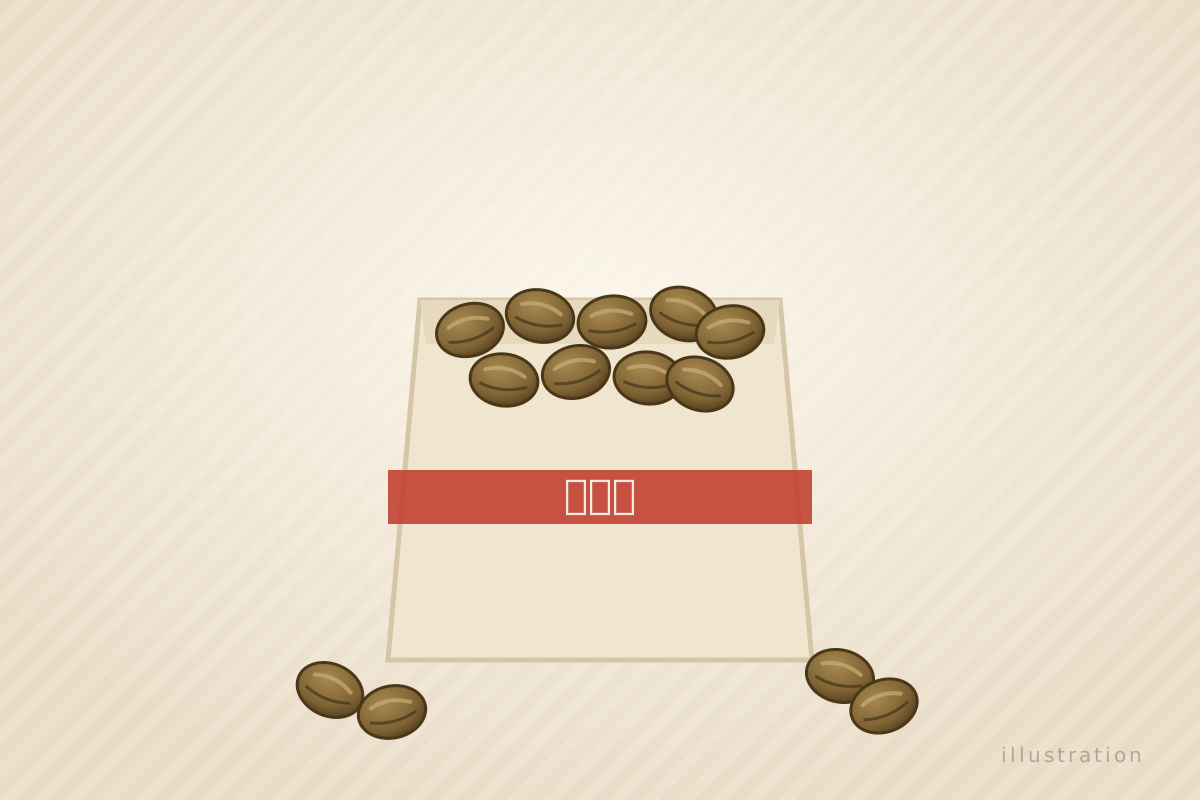 1SnacksShanghai Wuxiang Bean Shop×Wuxiang (spiced) BeansBroad beans boiled in salt, then simmered with star anise and licorice and dried. Hard enough that you crack the skin with your front teeth. The longer you chew, the more the salt and spice come out. Shanghainese who come to Yuyuan always buy a bag to take home — a taste unchanged in a century.Nearest Fangbang Rd (Yuyuan Stn)Price ¥ CNY
甘
1SnacksShanghai Wuxiang Bean Shop×Wuxiang (spiced) BeansBroad beans boiled in salt, then simmered with star anise and licorice and dried. Hard enough that you crack the skin with your front teeth. The longer you chew, the more the salt and spice come out. Shanghainese who come to Yuyuan always buy a bag to take home — a taste unchanged in a century.Nearest Fangbang Rd (Yuyuan Stn)Price ¥ CNY
甘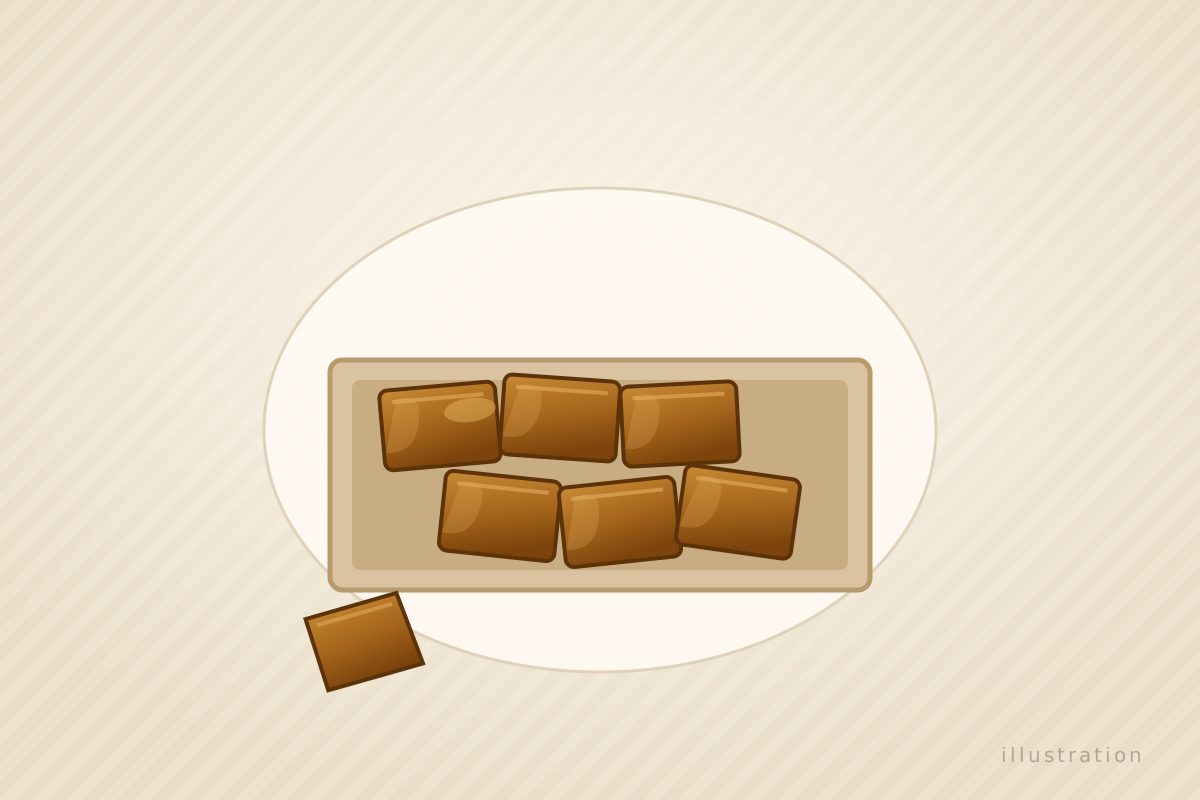 2SweetsShanghai Pear-Syrup Candy Shop×Ligao Tang (pear syrup candy)Amber candy made by simmering pear juice with medicinal herbs until it sets. Originally a throat remedy, once sold at the City God Temple to the seller's patter. Under the sweetness a faint herbal bitterness remains — a taste found nowhere else. Being candy, it keeps well, so it travels.Nearest Fangbang Rd (Yuyuan Stn)Price ¥ CNY
包
2SweetsShanghai Pear-Syrup Candy Shop×Ligao Tang (pear syrup candy)Amber candy made by simmering pear juice with medicinal herbs until it sets. Originally a throat remedy, once sold at the City God Temple to the seller's patter. Under the sweetness a faint herbal bitterness remains — a taste found nowhere else. Being candy, it keeps well, so it travels.Nearest Fangbang Rd (Yuyuan Stn)Price ¥ CNY
包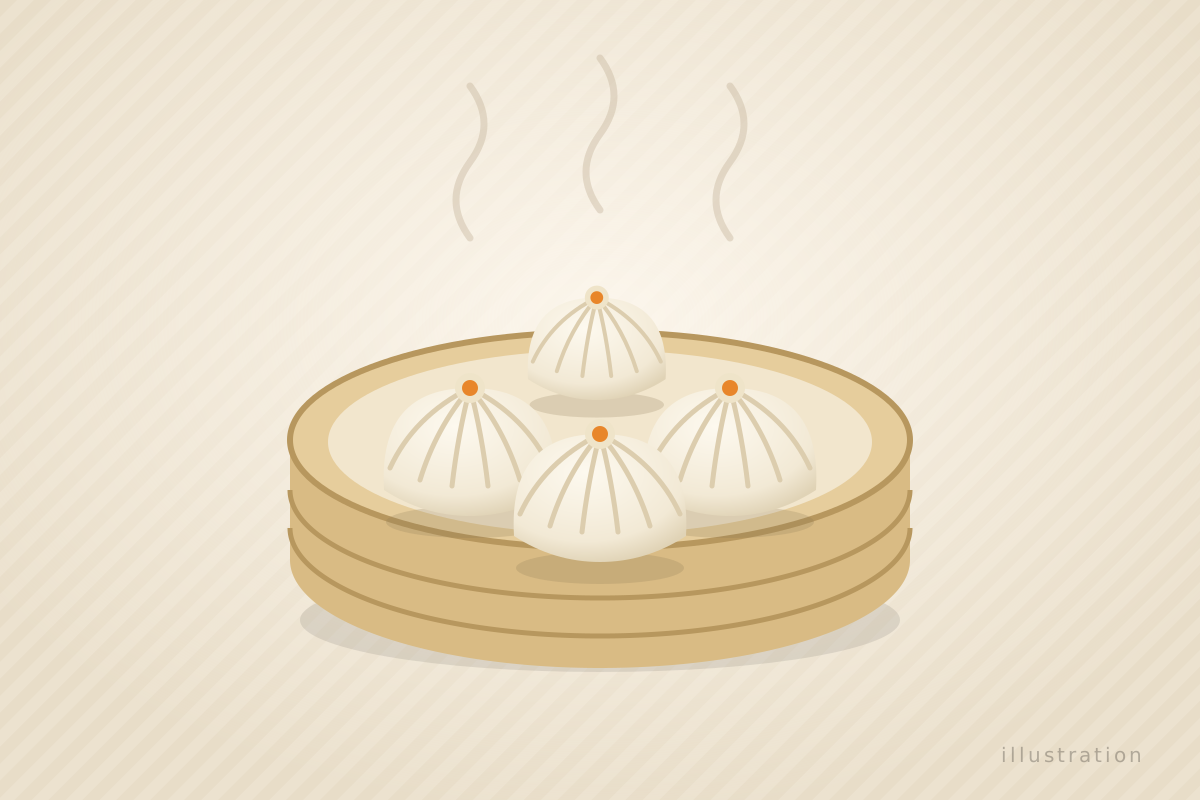 3DumplingsNanxiang Steamed Bun×Crab XiaolongbaoFounded 1900, the byword for xiaolongbao. The skin is so thin the soup drags it down when you lift it. Nick the skin first to sip the soup, then eat the rest. The crab version carries a deep crab scent. Tourist prices and a long queue, but eat one basket at the original once.Nearest Yuyuan Bazaar, Nine-Zigzag BridgePrice ¥¥ CNY
甘
3DumplingsNanxiang Steamed Bun×Crab XiaolongbaoFounded 1900, the byword for xiaolongbao. The skin is so thin the soup drags it down when you lift it. Nick the skin first to sip the soup, then eat the rest. The crab version carries a deep crab scent. Tourist prices and a long queue, but eat one basket at the original once.Nearest Yuyuan Bazaar, Nine-Zigzag BridgePrice ¥¥ CNY
甘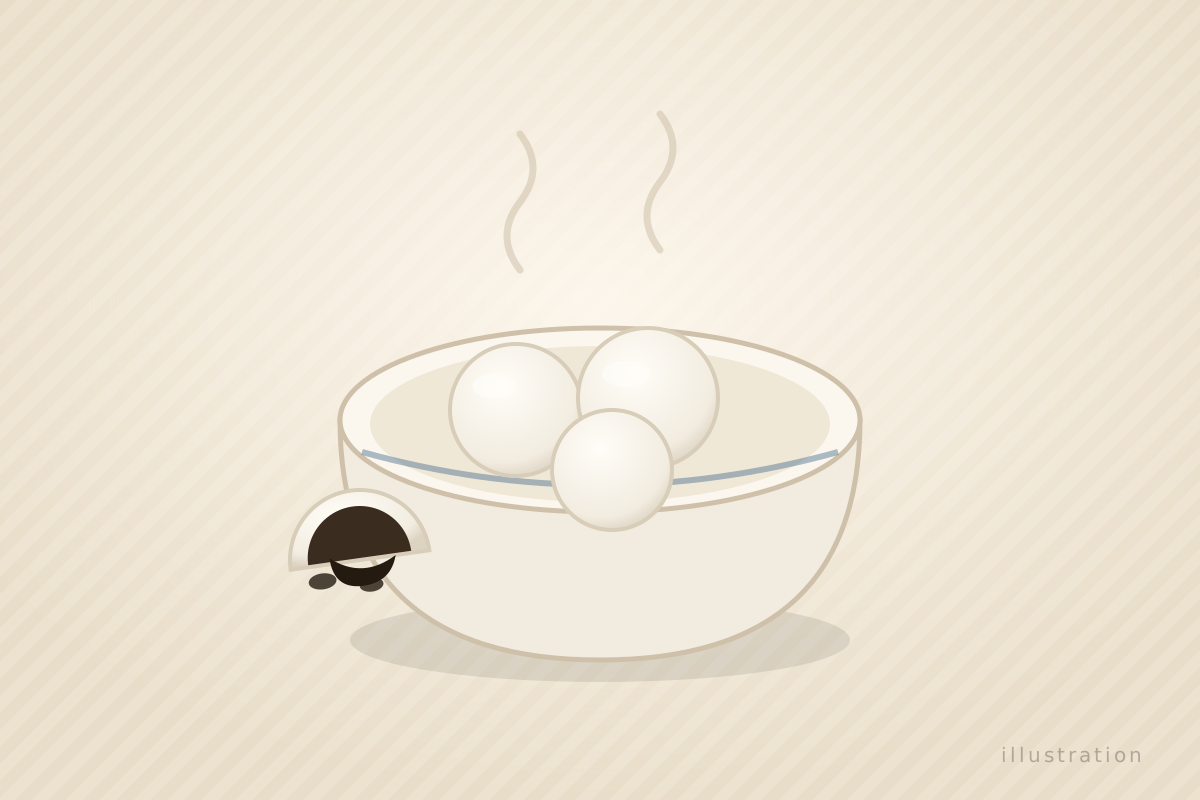 4SweetsNingbo Tangtuan×Black Sesame TangyuanThe Ningbo style, glutinous rice balls floating in hot water. Bite in and the filling of ground black sesame and lard floods out. The inside is scalding, so nick a small opening first to let the steam escape. Chewy skin, toasty-sweet filling. In winter it warms you to the core.Nearest Yuyuan Bazaar (Yuyuan Stn)Price ¥ CNY
包
4SweetsNingbo Tangtuan×Black Sesame TangyuanThe Ningbo style, glutinous rice balls floating in hot water. Bite in and the filling of ground black sesame and lard floods out. The inside is scalding, so nick a small opening first to let the steam escape. Chewy skin, toasty-sweet filling. In winter it warms you to the core.Nearest Yuyuan Bazaar (Yuyuan Stn)Price ¥ CNY
包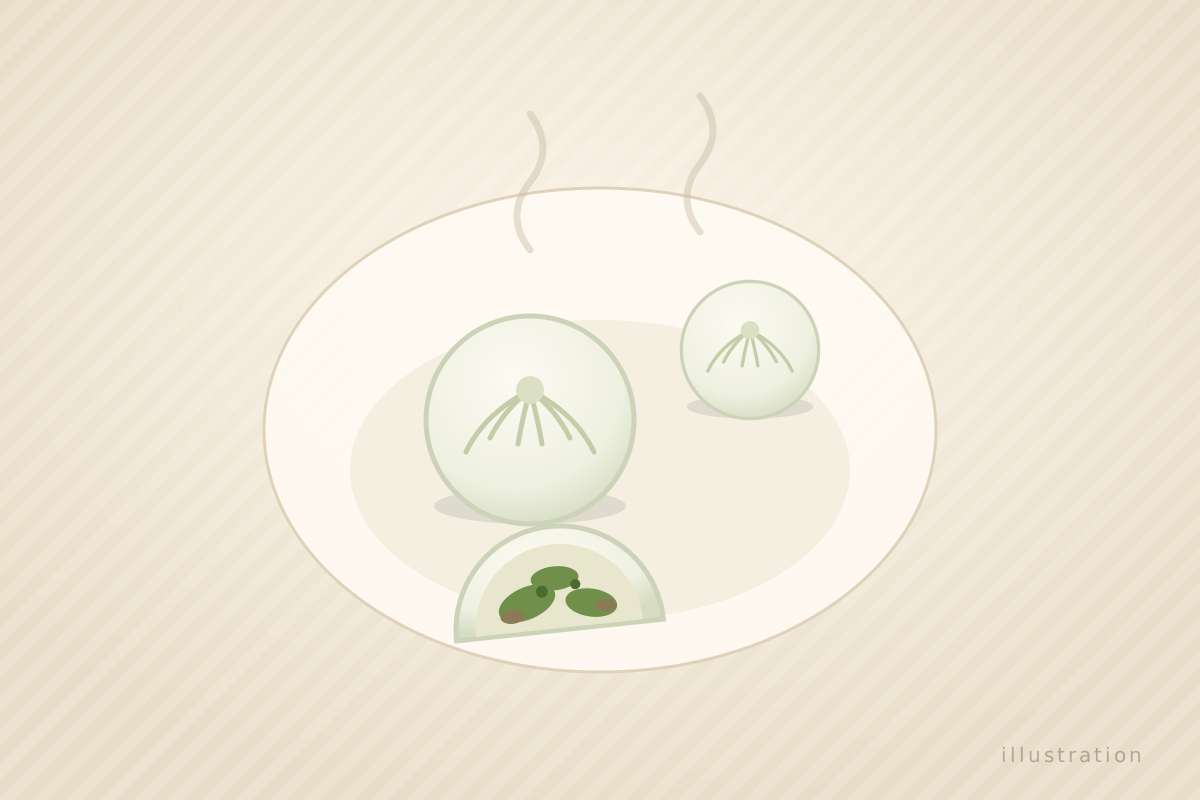 5DumplingsChunfeng Songyuelou×Vegetable BunA vegetarian bun stuffed with chopped greens, shiitake and tofu skin. No meat, yet the oil and mushroom give it real satisfaction. The skin is soft and thick. It is the signature of one of Shanghai's oldest vegetarian houses, and it suits a stomach tired of meat. Buy just one.Nearest Yuyuan Bazaar (Yuyuan Stn)Price ¥ CNY
酒
5DumplingsChunfeng Songyuelou×Vegetable BunA vegetarian bun stuffed with chopped greens, shiitake and tofu skin. No meat, yet the oil and mushroom give it real satisfaction. The skin is soft and thick. It is the signature of one of Shanghai's oldest vegetarian houses, and it suits a stomach tired of meat. Buy just one.Nearest Yuyuan Bazaar (Yuyuan Stn)Price ¥ CNY
酒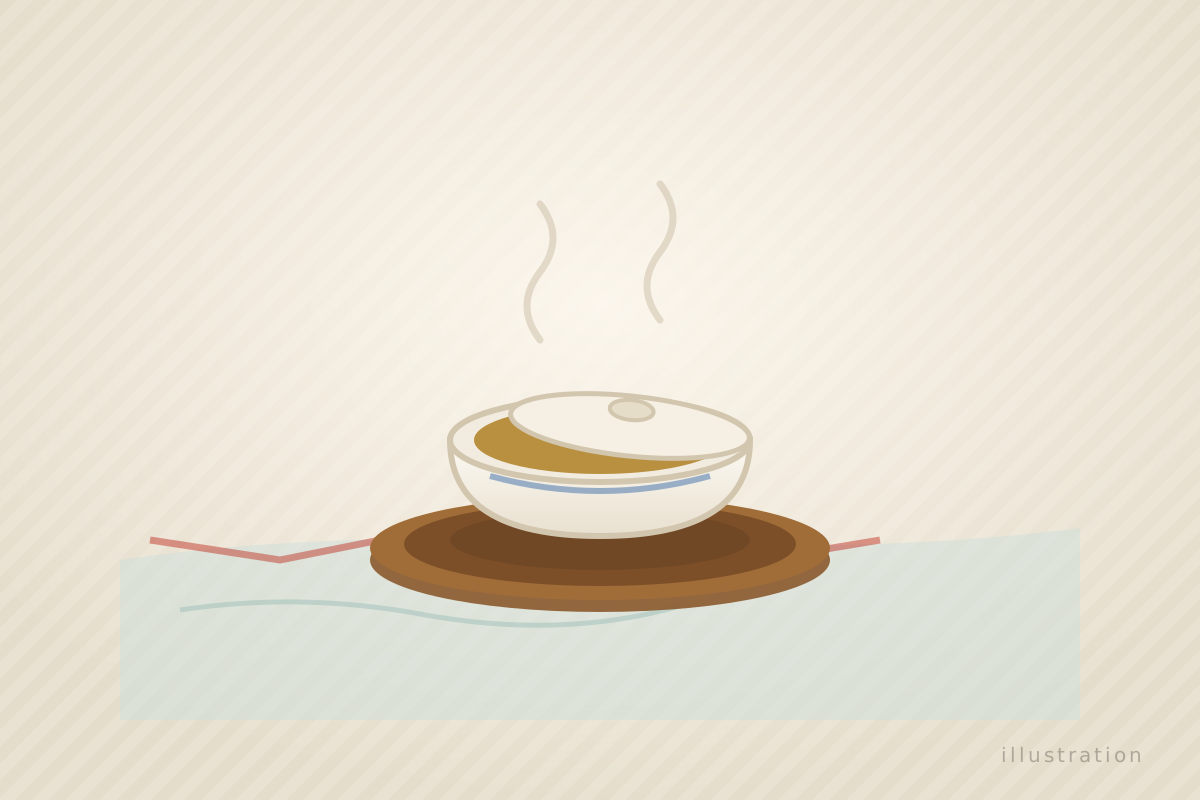 6DrinkHuxinting Teahouse×Shanghai TeaA wooden teahouse at the middle of the Nine-Zigzag Bridge, floating on the pond. It is the oldest surviving teahouse in Shanghai; go up and the windows frame nothing but water and Yuyuan's tiled roofs. Drink gaiwan tea slowly and rest your walked-out legs. It is less about the taste than about having a cup in this particular place.Nearest Nine-Zigzag Bridge, YuyuanPrice ¥¥ CNY
魚
6DrinkHuxinting Teahouse×Shanghai TeaA wooden teahouse at the middle of the Nine-Zigzag Bridge, floating on the pond. It is the oldest surviving teahouse in Shanghai; go up and the windows frame nothing but water and Yuyuan's tiled roofs. Drink gaiwan tea slowly and rest your walked-out legs. It is less about the taste than about having a cup in this particular place.Nearest Nine-Zigzag Bridge, YuyuanPrice ¥¥ CNY
魚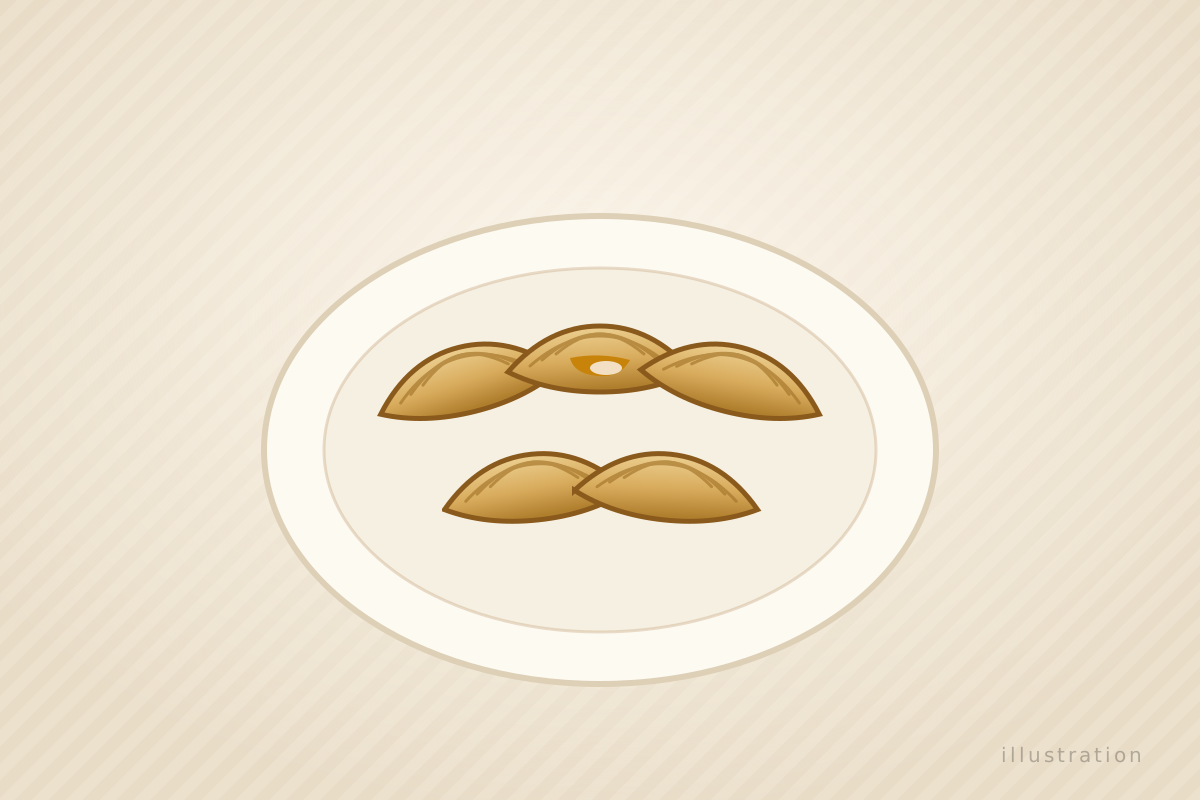 7SeafoodLubolang×Meimao Su (crab pastry)A fried pastry crimped into the shape of an eyebrow, filled with crab. Its surface is scored with fine brow-like lines that stand up in layers when fried. After a walk through street snacks, you finish sitting down with refined dim sum. The quiet is exactly what a tired body needs.Nearest 238 Fuyou Rd (Yuyuan Stn)Price ~141 CNY per person