CHIBA · NARITASAN OMOTESANDO
Naritasan Omotesando Route
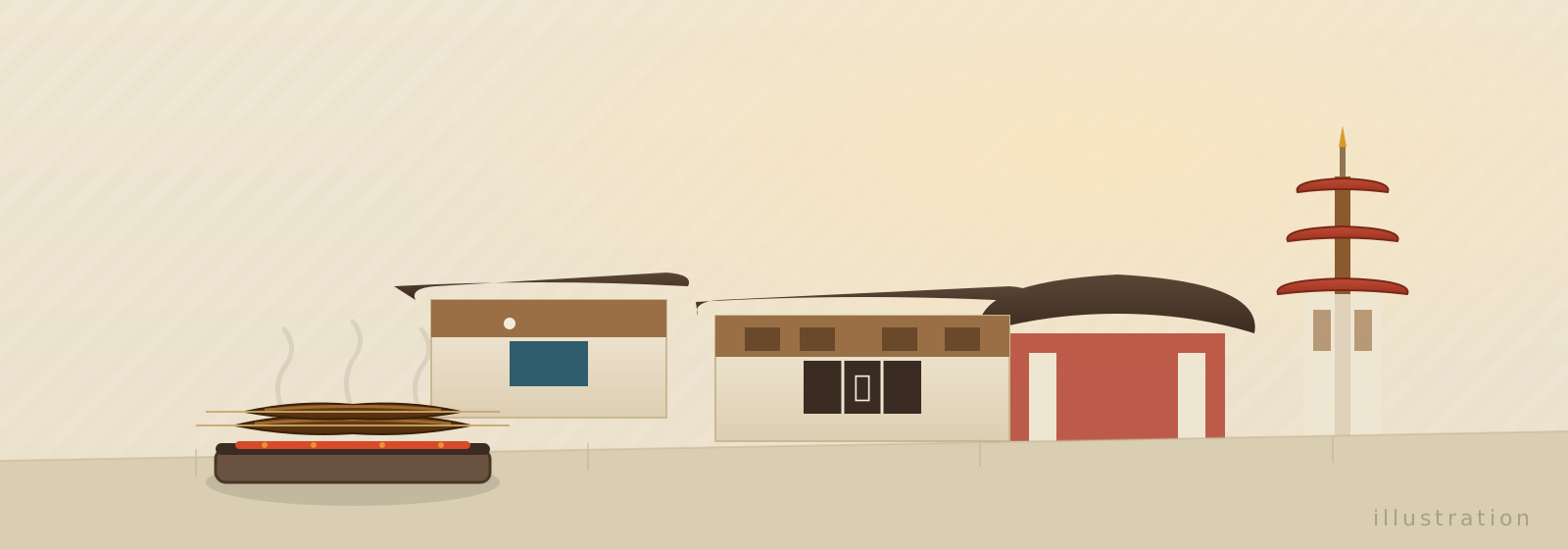
The roughly 800-metre approach to Naritasan Shinshoji, from station to temple. Nibble Kantaro-yaki, chestnut yokan and local sake, and finish with unaju grilled at the storefront at Kawatoyo and Omiya — the plates of a temple-gate town running since Edo.
What Naritasan Omotesando is
Naritasan Omotesando is the roughly eight-hundred-metre approach that runs to the gate of Naritasan Shinshoji, a head temple of Shingon Buddhism. Opened in 940, Shinshoji draws among the very largest crowds of New Year worshippers in Japan, and since Edo times a temple-gate town grew along this street to host pilgrims coming and going. You walk gently downhill from Narita station toward the temple. Eel, chestnut yokan, dango, senbei, local sake — all from old houses that have traded on the same spot for one or two centuries. Beyond its airport, this is the other face of Narita.
The approach's eel and sweets
Say Narita and you say eel first. Nearby waters like Lake Inba, in this canal country, teemed with eel, and eel houses gathered along the approach. Most of the famous ones still butcher the eel at the storefront, skewer it and grill it over charcoal — that sound, smoke and smell are half the reason for the queue. The sweets are famous too: Nagomi-no-Yoneya, said to be the first to make chestnut yokan; charcoal-grilled soy dango; the thin-skinned Kantaro-yaki; and the approach's only hand-grilled senbei. Add local sake brewed with Naritasan's spring water, and the pleasures of a temple-gate town are packed into a single street.
How to walk this route
Start at Narita station. Enter Omotesando and head toward the temple from the station end, working down by house number. Nibble lightly first — Kantaro-yaki, Goto's grilled dango, Hayashida's senbei — and taste the local sake at Chomeisen along the way. Buy a chestnut yokan at Yoneya for a souvenir as you descend the slope toward the temple. The eel is in the latter half of the approach, around Nakamachi. Closing this route means sitting down to unaju at Kawatoyo or Omiya. The street is only about eight hundred metres, but with a proper eel sit-down, allow about two and a half hours in all.
What to look for
Both eel houses are must-eats. Kawatoyo is famous for the storefront butchering display and its queue, a classic fragrant unaju. Right next door, Omiya's secret sauce — topped up for two hundred years — is lighter than Kawatoyo's, and comparing the two is a pleasure. Among sweets, Nagomi-no-Yoneya's chestnut yokan: the very idea of putting chestnut into yokan is said to have started here. Goto's dango is grilled over charcoal to order, fragrant with soy. Hayashida's senbei is handmade from the dough up, curling and hot straight off the grill. Chomeisen's local sake is just right for a sip between stretches of the walk.
Before you go
Around the New Year holiday and the worship season, the area is jammed to a standstill, so avoid it for an unhurried food walk. The popular eel houses draw long lunchtime queues, so go early, or put your name down and stroll the approach while you wait. The approach is a gentle slope with stone-paved stretches, so wear easy shoes. Hours and closing days change, so it is safer to check the eel houses in advance.
Route map
Narita Stn → Omotesando → Shinshoji (800m, in street-number order) · numbers match the dishes below
The dishes on this route (7)
Tap through to each shop and dish
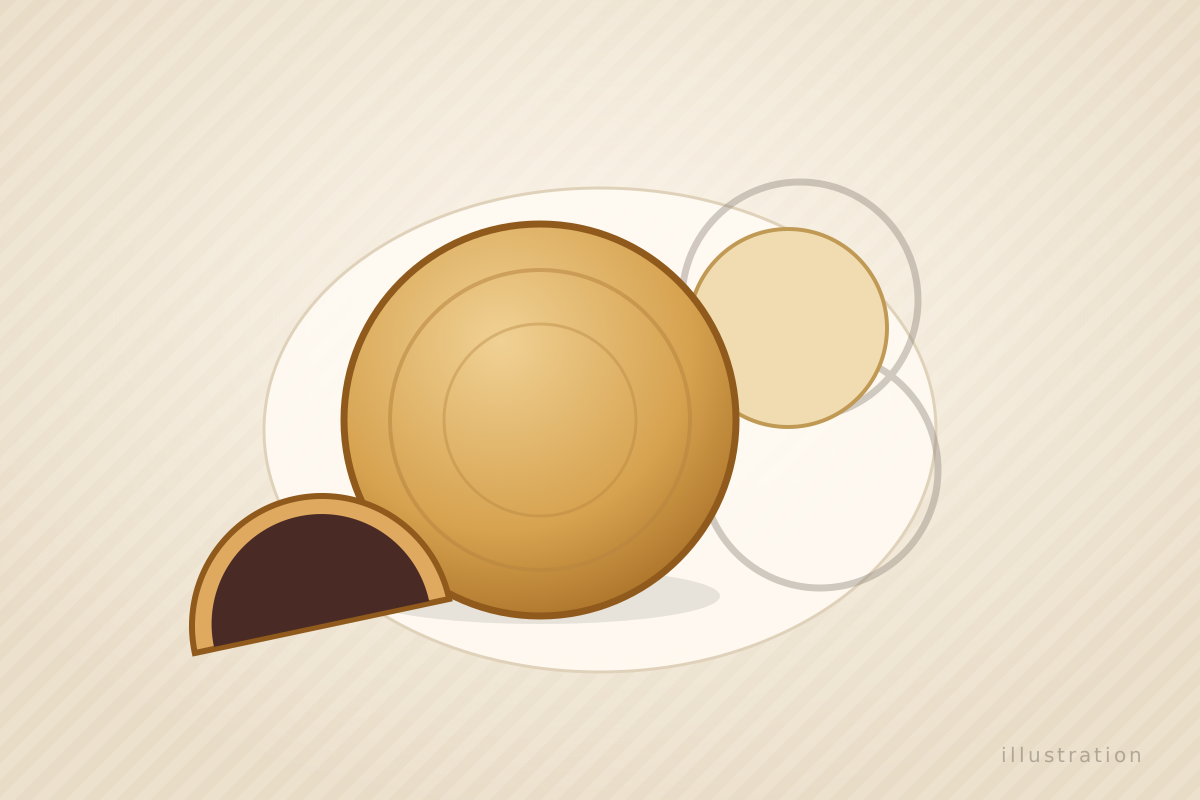 1SweetsKintoki no Amataro×Amataro-yaki (imagawayaki)An imagawayaki with an unusually thin shell — less a pastry wrapped around bean paste than a thin coat laid over it, so the filling is the point. Red bean or white. They sell as fast as they bake, so a longer queue actually means a hotter one.Nearest 527 Hanasakicho (by Narita Stn)Price ¥120 each
酒
1SweetsKintoki no Amataro×Amataro-yaki (imagawayaki)An imagawayaki with an unusually thin shell — less a pastry wrapped around bean paste than a thin coat laid over it, so the filling is the point. Red bean or white. They sell as fast as they bake, so a longer queue actually means a hotter one.Nearest 527 Hanasakicho (by Narita Stn)Price ¥120 each
酒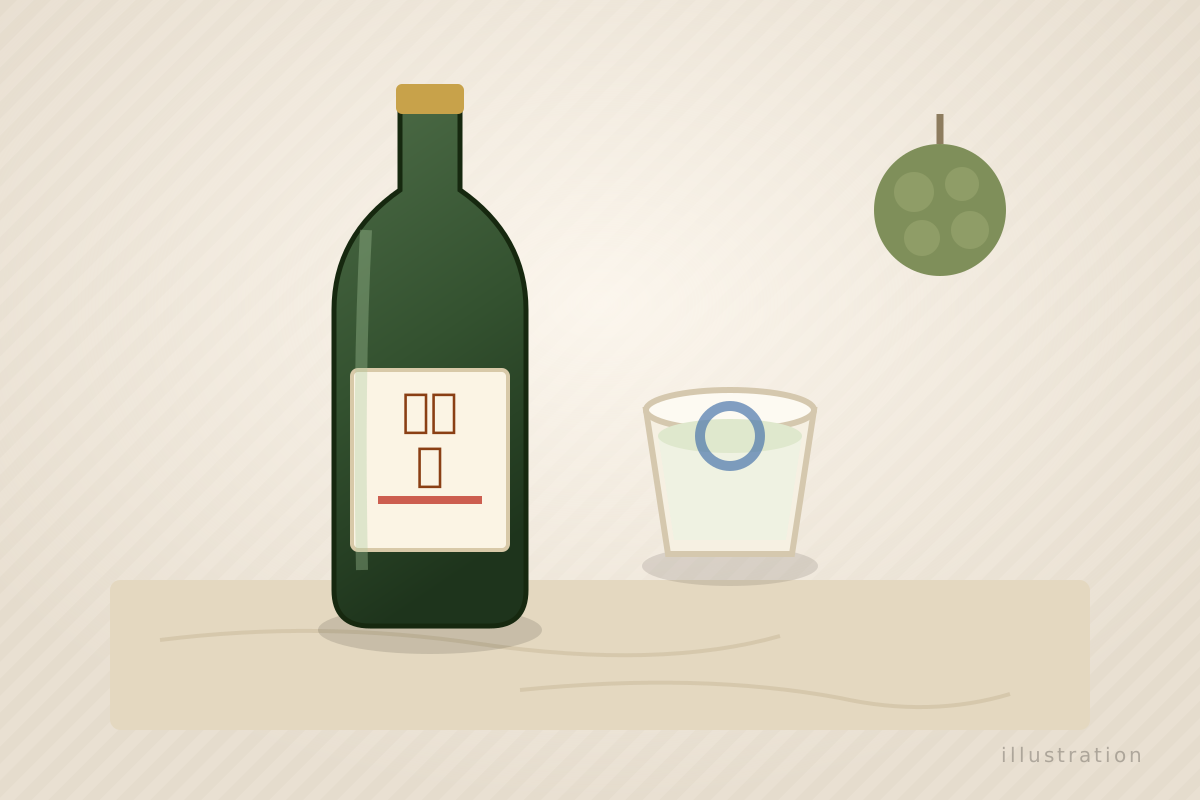 2DrinkChomeisen (Takizawa Honten)×Ginjo KarakuchiA local sake brewed with spring water from Naritasan. The brewery's own shop sits partway down the approach, so you can taste before you buy. Dry, but without edges — built to stand up to the sweetness of the eel sauce waiting further down. One glass before the eel does real work.Nearest 513 Kamicho (6 min from Narita Stn)Price ¥¥ JPY
甘
2DrinkChomeisen (Takizawa Honten)×Ginjo KarakuchiA local sake brewed with spring water from Naritasan. The brewery's own shop sits partway down the approach, so you can taste before you buy. Dry, but without edges — built to stand up to the sweetness of the eel sauce waiting further down. One glass before the eel does real work.Nearest 513 Kamicho (6 min from Narita Stn)Price ¥¥ JPY
甘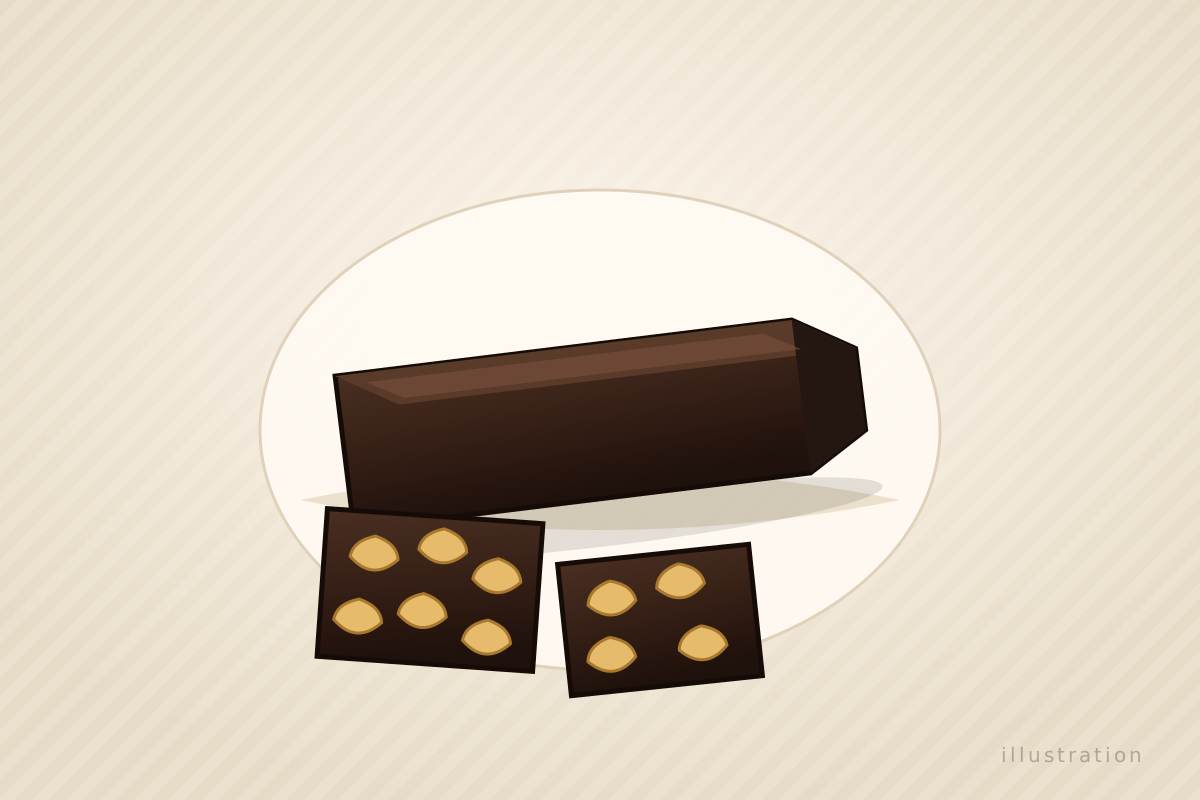 3SweetsNagomi no Yoneya×Chestnut YokanThe shop that first put chestnuts into yokan — the whole idea started here. Cut it and the cross-section is packed with chestnut; the sweetness is heavy but does not linger. A whole bar is large, so buying slices to eat on the approach is the practical move.Nearest 500 KamichoPrice ¥2,300 per bar (premium)
甘
3SweetsNagomi no Yoneya×Chestnut YokanThe shop that first put chestnuts into yokan — the whole idea started here. Cut it and the cross-section is packed with chestnut; the sweetness is heavy but does not linger. A whole bar is large, so buying slices to eat on the approach is the practical move.Nearest 500 KamichoPrice ¥2,300 per bar (premium)
甘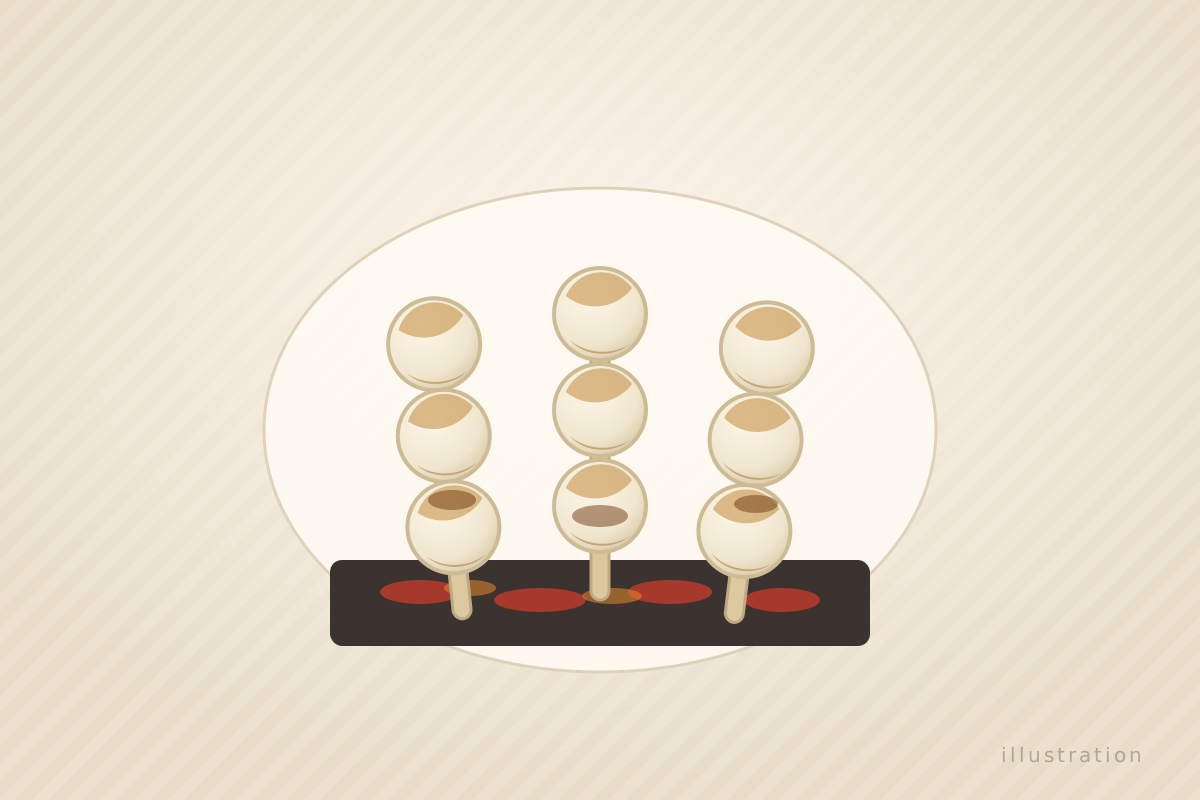 4SweetsGoto Dangoya×Grilled DangoRice pounded each morning, grilled over charcoal only after you order, then brushed with soy. Only the surface chars; inside stays as soft as freshly pounded rice, so it becomes a different thing if you wait. Meant to be eaten on the spot. Sweet bean dango costs the same.Nearest 499 KamichoPrice ¥480
串
4SweetsGoto Dangoya×Grilled DangoRice pounded each morning, grilled over charcoal only after you order, then brushed with soy. Only the surface chars; inside stays as soft as freshly pounded rice, so it becomes a different thing if you wait. Meant to be eaten on the spot. Sweet bean dango costs the same.Nearest 499 KamichoPrice ¥480
串 5SnacksHayashida Senbei×Hand-grilled SenbeiThe only senbei shop on the approach that makes its own dough from scratch. Fresh off the grill they are hot and warped, and they crack loudly when you bite. There are skewered ones made for walking, so you can buy just one. Over thirty kinds — start with plain soy, straight off the fire.Nearest 490 SaiwaichoPrice from ¥100 a piece
魚
5SnacksHayashida Senbei×Hand-grilled SenbeiThe only senbei shop on the approach that makes its own dough from scratch. Fresh off the grill they are hot and warped, and they crack loudly when you bite. There are skewered ones made for walking, so you can buy just one. Over thirty kinds — start with plain soy, straight off the fire.Nearest 490 SaiwaichoPrice from ¥100 a piece
魚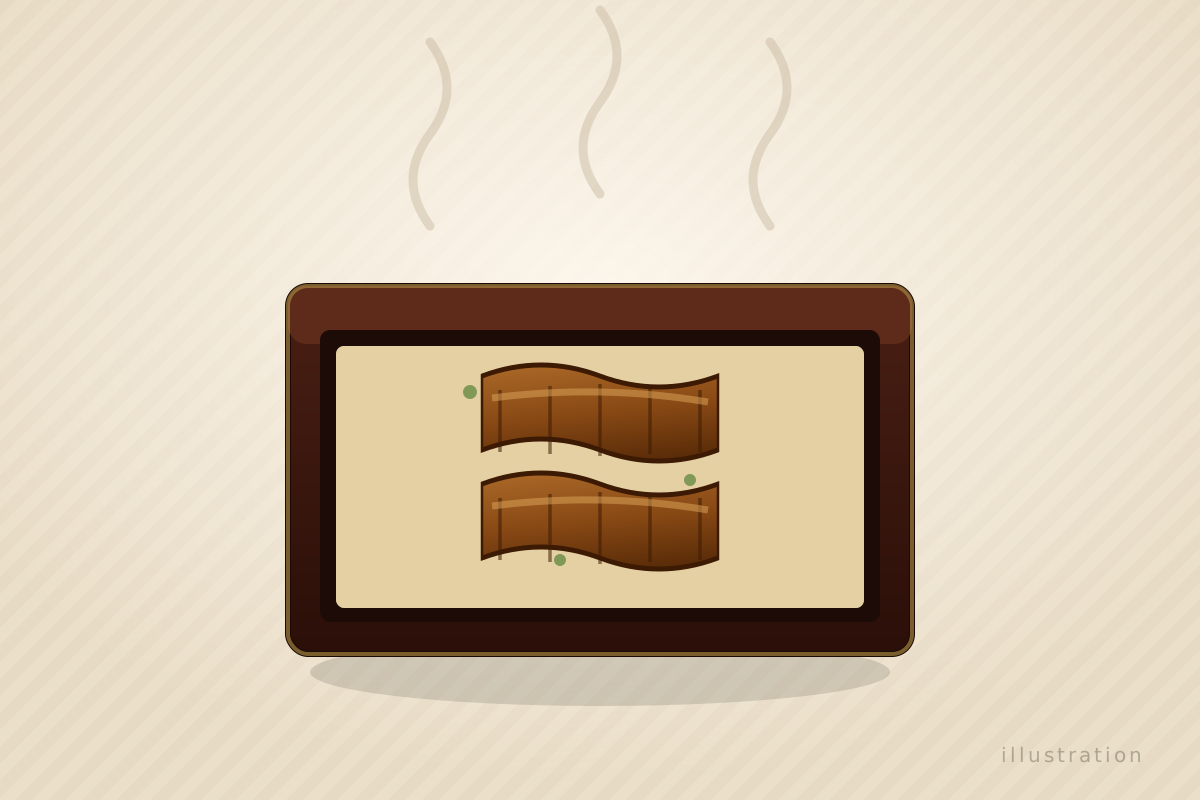 6SeafoodKawatoyo (main shop)×Unaju (grilled eel over rice)They kill, skewer and grill the eel right at the storefront. The reason for the queue is the sound and the smoke before it is ever the taste — you stop walking without deciding to. The sauce is toasty with a clearly drawn sweetness, and set beside Omiya next door the difference is immediate. If you are eating both, start here.Nearest 386 NakachoPrice ¥2,900 / ¥3,900 premium
魚
6SeafoodKawatoyo (main shop)×Unaju (grilled eel over rice)They kill, skewer and grill the eel right at the storefront. The reason for the queue is the sound and the smoke before it is ever the taste — you stop walking without deciding to. The sauce is toasty with a clearly drawn sweetness, and set beside Omiya next door the difference is immediate. If you are eating both, start here.Nearest 386 NakachoPrice ¥2,900 / ¥3,900 premium
魚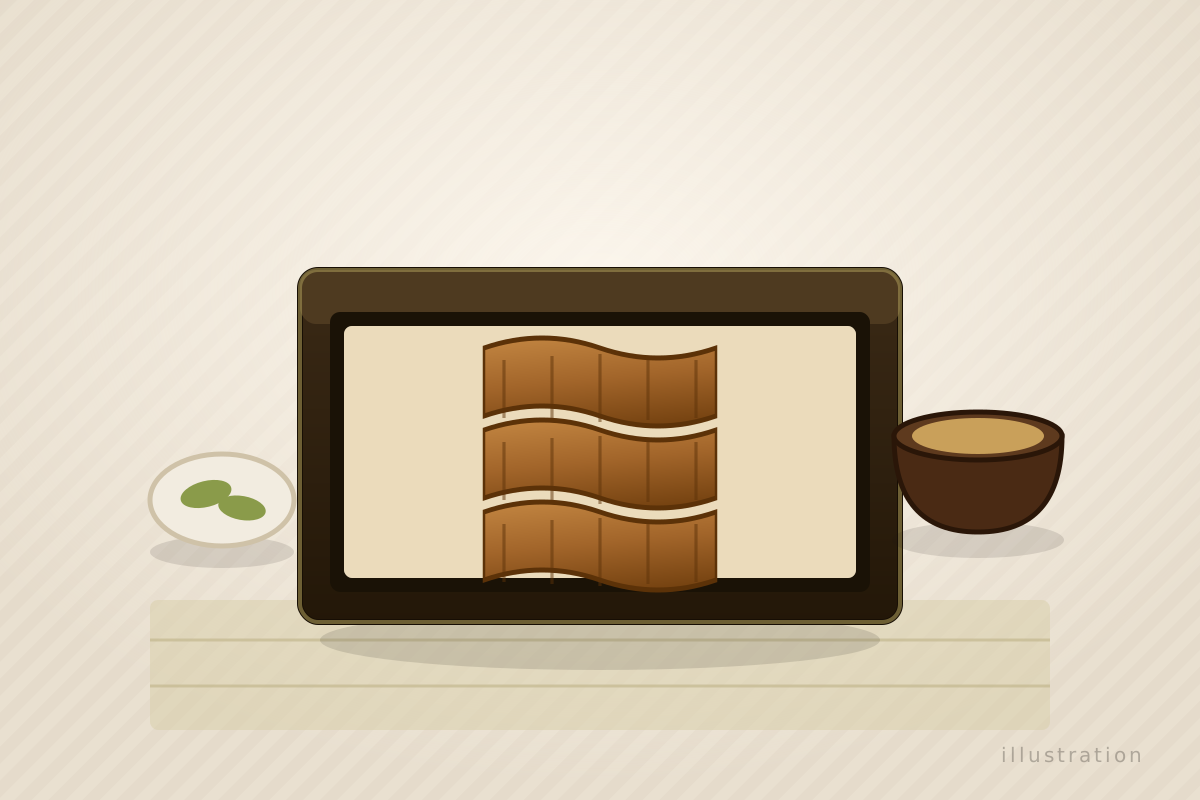 7SeafoodOmiya (eel & tempura)×Premium UnajuThe sauce, said to have been topped up for two hundred years, is distinctly lighter than Kawatoyo next door. It does not push the sweetness forward; it lets the eel's own fat come through. There are tatami rooms and private rooms, so you can sit properly at the end of the walk. This is the second of the two.Nearest 384 NakachoPrice ¥¥¥ JPY