KANAGAWA · KAMAKURA KOMACHI-DORI
Kamakura Komachi-dori Route
The Komachi-dori of the old capital Kamakura, from the station to Tsurugaoka Hachimangu. From a Shonan raw-shirasu bowl to Kamakura croquettes, Kamakura ham and Toshimaya's Hato Sabure to finish — a route to taste at the shopfront or on a bench, not while walking.
What Kamakura is
Kamakura is an old capital on the south of Kanagawa, facing Sagami Bay. A historic town that once held the samurai government, with Tsurugaoka Hachimangu shrine, the Great Buddha, the sea at Yuigahama and the hills that ring it behind, it holds a particular calm. The stage for the food walk is Komachi-dori, the shopping street running from Kamakura station to Tsurugaoka Hachimangu, its two sides packed with shops of shirasu (whitebait), croquettes, dango and Kamakura ham. In recent years, though, out of regard for crowds and manners, the street asks you not to eat while walking; buying and then stopping to eat at the shopfront or on a bench has become the local way.
Shonan's shirasu, and Kamakura's sweets
Say Kamakura and Shonan, and you say shirasu first. Fresh raw whitebait on rice as a raw-shirasu bowl, and "isoage" of fish paste fried with whitebait, turn the nearness of the sea straight into a plate. On the savoury side, the many kinds of Kamakura croquette, and the ham cutlet and sausage of a Kamakura ham house running since Meiji. The sweets are rich too: dango as colourful as temari balls, a matcha soft-serve you can choose the strength of, and the absolute classic Kamakura souvenir, Toshimaya's Hato Sabure (pigeon biscuit). Seafood and an old capital's sweets share one street.
How to walk this route
Start at Kamakura station. First, by the sea, a Shonan raw-shirasu bowl (though shirasu has a closed season, so mind the time of year). Then enter Komachi-dori and eat a Kamakura croquette, a shirasu-cheese tempura and a Kamakura-ham cutlet at the shopfront or on a bench. Slipping in a photogenic temari dango and a strong matcha soft-serve, walk the street toward Tsurugaoka Hachimangu. Finish at Toshimaya's main shop on Wakamiya-oji, with Hato Sabure for a souvenir. About two hours in all; eat little on the move and stop to taste — that is Kamakura's manner.
What to look for
The sea's signature is the raw-shirasu bowl. Translucent little fish shovelled down with ginger and garnish, its whole point is freshness. Maruten's shirasu-cheese tempura is a Kamakura-ish skewer of fish paste mixed with whitebait and cheese. On the savoury side, the many-kinds Kamakura croquette and Kamakura Ham Tomioka Shokai's thick-cut ham cutlet. Among sweets, Sakura-no-Yumemiya's temari dango and Kamakura Chacha's strong matcha soft-serve photograph well. And to close, Toshimaya's Hato Sabure, named for the pigeons of Tsurugaoka Hachimangu — a buttery baked biscuit, the one Kamakura souvenir.
Before you go
Kamakura is very crowded on holidays and in the autumn-leaf and cherry seasons, and Komachi-dori fills with people. For an unhurried meal, a weekday or the early morning is more comfortable. As noted, don't eat while walking; eat what you buy at the shopfront, an eat-in space or a bench. Raw shirasu has a closed season around January to March, and there is no catch on rough days, so check ahead if you are after it. Hours and closing days change, so it is safer to check before you go.
Route map
Kamakura Stn → Komachi-dori → Tsurugaoka Hachimangu (eat standing, not walking) · numbers match the dishes below
The dishes on this route (7)
Tap through to each shop and dish
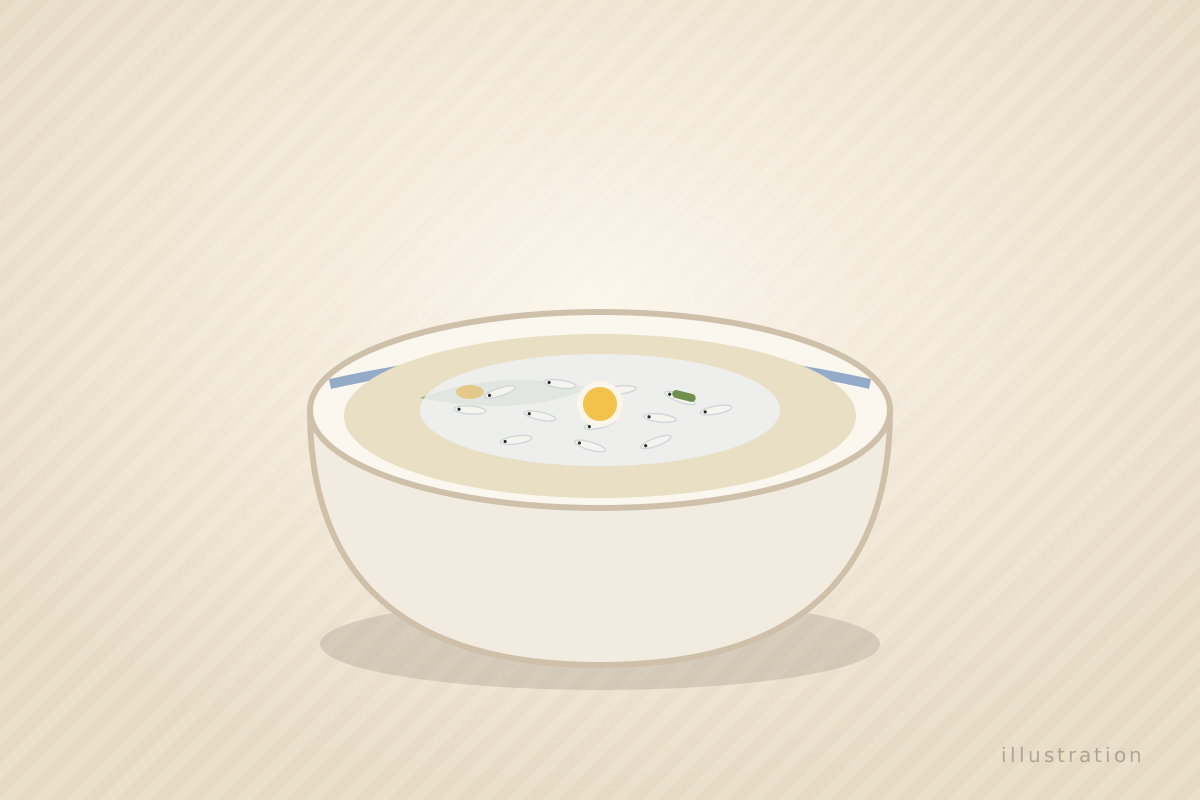 1SeafoodShirasu shops, Kamakura×Raw Shirasu BowlJust-caught raw whitebait over rice, the specialty of Kamakura and Shonan. Translucent little fish eaten smooth with ginger and soy. Freshness is everything, so you find it only near a port that lands them. In the closed season (January to early March) there is no raw version — it becomes boiled. Start with a bowl by the station.Nearest Around Kamakura Stn & YuigahamaPrice ~¥1,500
肉
1SeafoodShirasu shops, Kamakura×Raw Shirasu BowlJust-caught raw whitebait over rice, the specialty of Kamakura and Shonan. Translucent little fish eaten smooth with ginger and soy. Freshness is everything, so you find it only near a port that lands them. In the closed season (January to early March) there is no raw version — it becomes boiled. Start with a bowl by the station.Nearest Around Kamakura Stn & YuigahamaPrice ~¥1,500
肉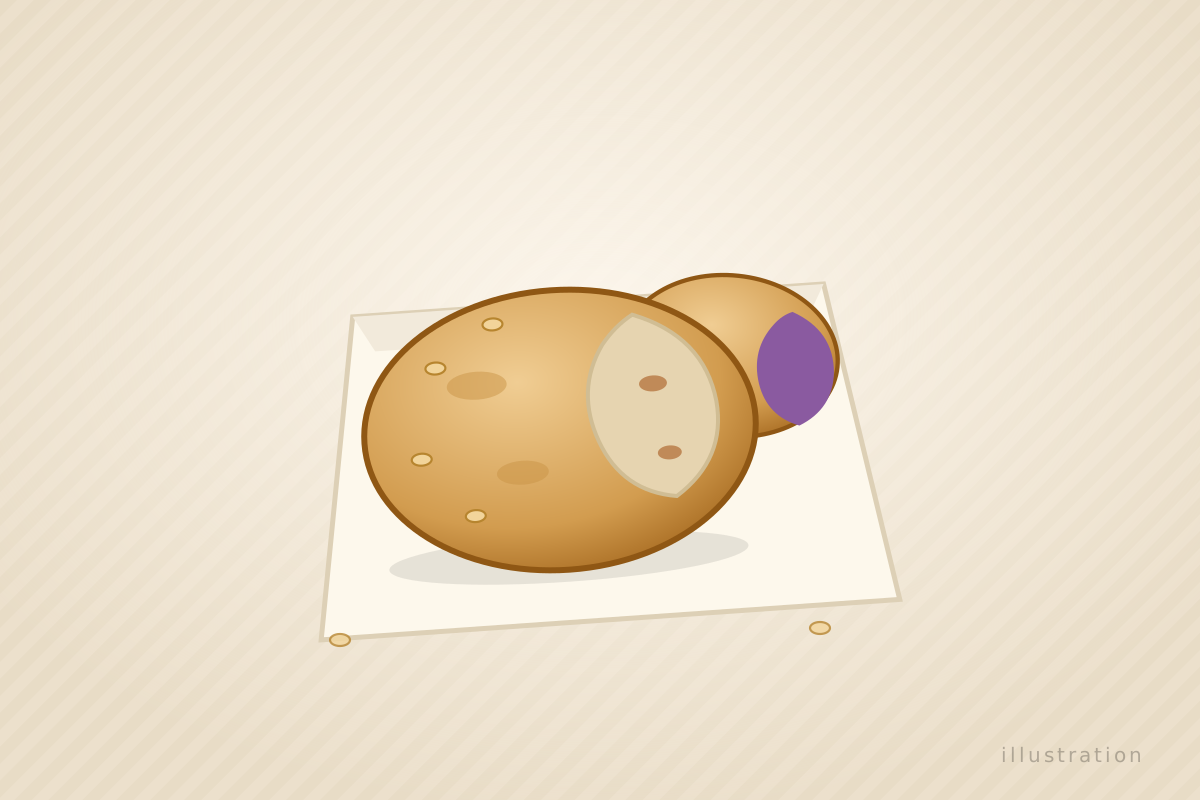 2MeatTorigoya×Kamakura CroquetteA croquette specialist on Komachi-dori known for its range. Beyond the classic beef, over twenty kinds line up — purple sweet potato, chocolate, pumpkin. Take it fresh at the storefront, and since Kamakura discourages walk-eating, bite it standing beside the shop. The purple-potato sweetness is a very Kamakura one.Nearest 2-10-4 Komachi, KamakuraPrice ~¥200 each
魚
2MeatTorigoya×Kamakura CroquetteA croquette specialist on Komachi-dori known for its range. Beyond the classic beef, over twenty kinds line up — purple sweet potato, chocolate, pumpkin. Take it fresh at the storefront, and since Kamakura discourages walk-eating, bite it standing beside the shop. The purple-potato sweetness is a very Kamakura one.Nearest 2-10-4 Komachi, KamakuraPrice ~¥200 each
魚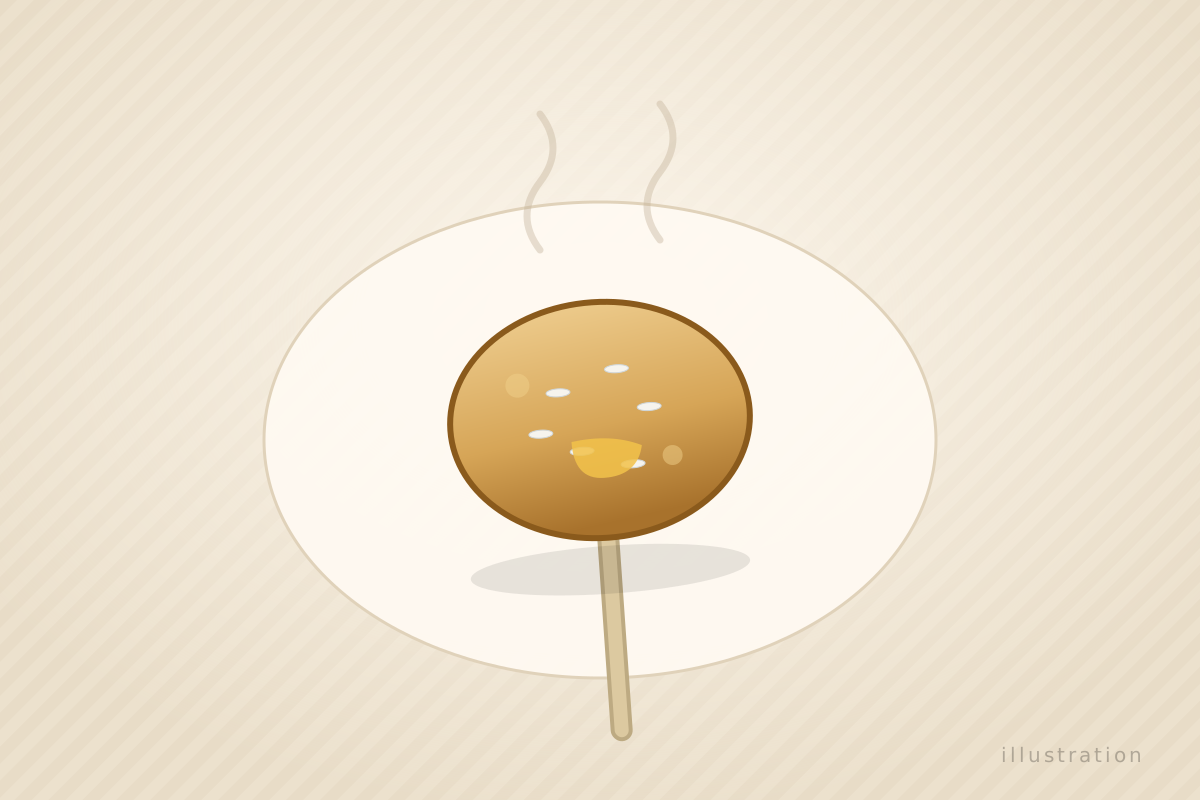 3SeafoodMaruten×Shirasu-Cheese TempuraIsoage — fish paste with fillings, deep-fried. The Kamakura touch is shirasu inside, and the cheese version is popular. Fresh-fried it is crisp outside and soft within, the whitebait's salt mixing with the cheese's richness. Held in one hand, but eaten standing by the shop.Nearest 2-9-7 Komachi, KamakuraPrice ~¥400
甘
3SeafoodMaruten×Shirasu-Cheese TempuraIsoage — fish paste with fillings, deep-fried. The Kamakura touch is shirasu inside, and the cheese version is popular. Fresh-fried it is crisp outside and soft within, the whitebait's salt mixing with the cheese's richness. Held in one hand, but eaten standing by the shop.Nearest 2-9-7 Komachi, KamakuraPrice ~¥400
甘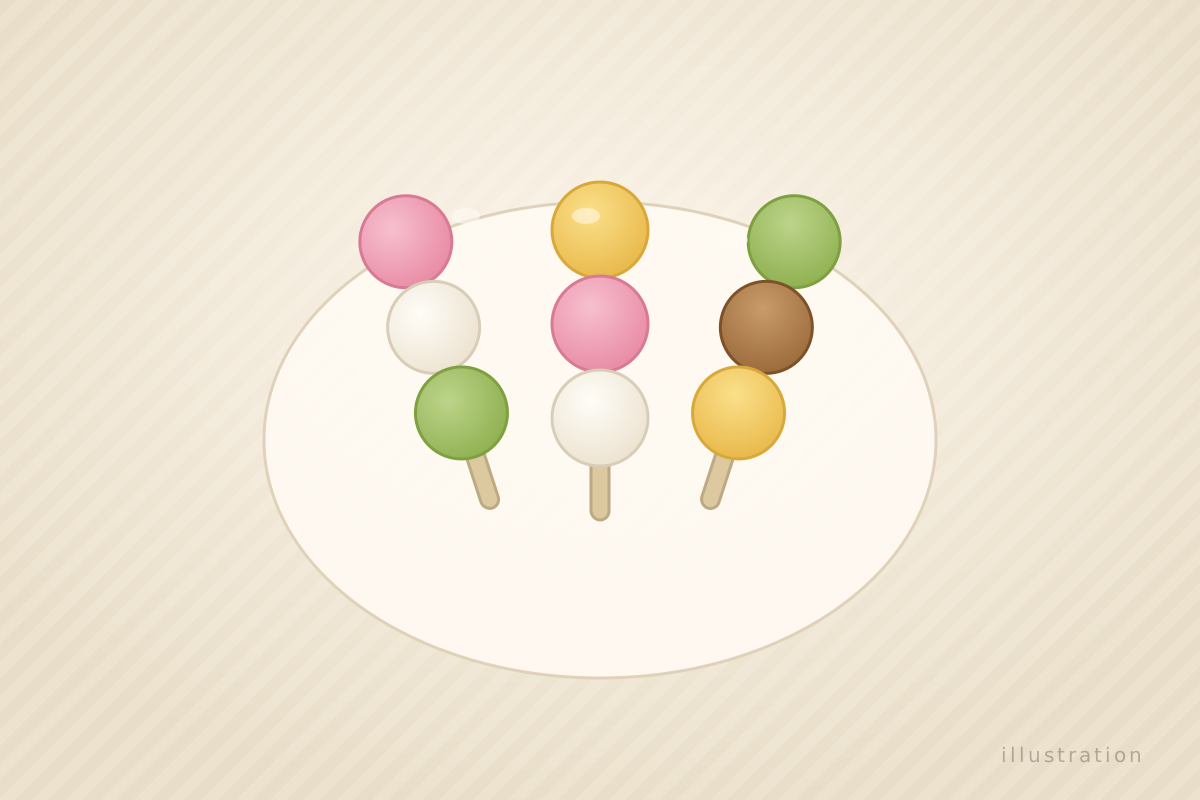 4SweetsSakura no Yumemiya×Temari Dango (colourful skewered dumplings)Colourful dumplings threaded on a stick like a temari ball — very photogenic. Cherry-blossom bean, matcha, mitarashi, zunda; the colours change with the season. Less about the taste than the time of buying it on the Kamakura approach, taking a photo, and eating it on the shop's bench. Chewy, and not as sweet as it looks.Nearest Komachi, Kamakura (Komachi-dori)Price ~¥350 a stick
肉
4SweetsSakura no Yumemiya×Temari Dango (colourful skewered dumplings)Colourful dumplings threaded on a stick like a temari ball — very photogenic. Cherry-blossom bean, matcha, mitarashi, zunda; the colours change with the season. Less about the taste than the time of buying it on the Kamakura approach, taking a photo, and eating it on the shop's bench. Chewy, and not as sweet as it looks.Nearest Komachi, Kamakura (Komachi-dori)Price ~¥350 a stick
肉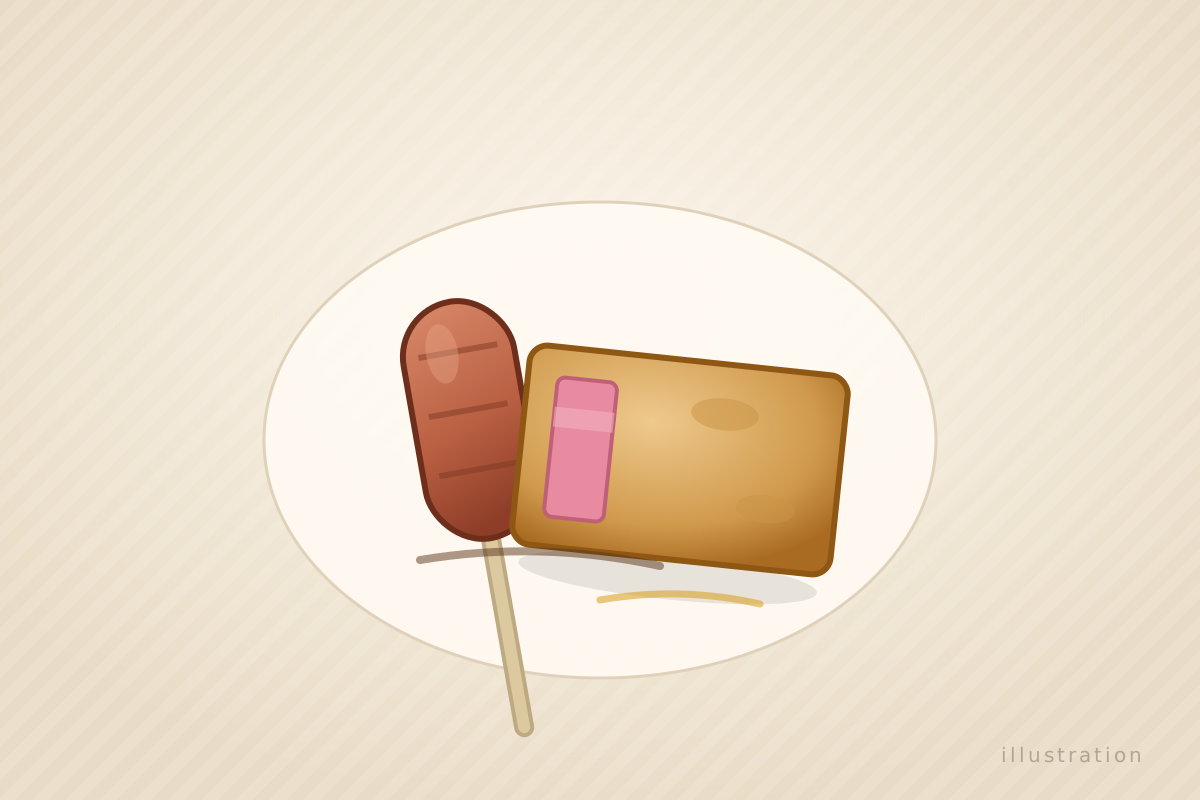 5MeatKamakura Ham Tomioka×Ham Cutlet / SausageA Meiji-era Kamakura ham house serving thick ham cutlets and grilled sausages on skewers. The ham itself is the star, so the filling outweighs the batter. The crisp-grilled sausage is packed differently with meat. Grab one fresh while buying ham to take home. Eaten standing in front of the shop.Nearest Komachi, Kamakura (Komachi-dori)Price ~¥300
甘
5MeatKamakura Ham Tomioka×Ham Cutlet / SausageA Meiji-era Kamakura ham house serving thick ham cutlets and grilled sausages on skewers. The ham itself is the star, so the filling outweighs the batter. The crisp-grilled sausage is packed differently with meat. Grab one fresh while buying ham to take home. Eaten standing in front of the shop.Nearest Komachi, Kamakura (Komachi-dori)Price ~¥300
甘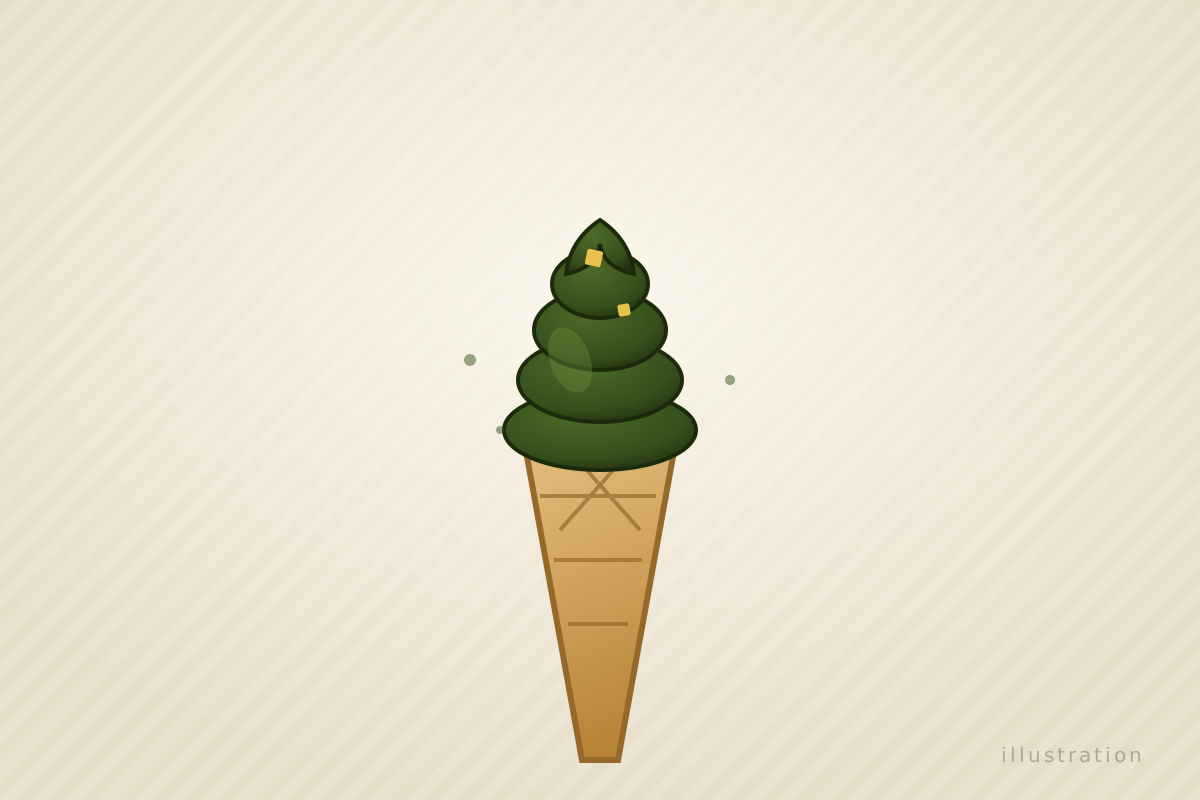 6SweetsKamakura Chacha×Matcha Soft-serve (rich)A matcha soft-serve where you choose the strength. The strongest brings the tea's bitterness and aroma before the sweetness. There is a flashy gold-leaf option too — Kamakura's photogenic slot. Soft-serve melts, so in Kamakura you don't walk; you eat it up near the shop. A sweet break in the approach walk.Nearest Komachi, Kamakura (Komachi-dori)Price ~¥500
甘
6SweetsKamakura Chacha×Matcha Soft-serve (rich)A matcha soft-serve where you choose the strength. The strongest brings the tea's bitterness and aroma before the sweetness. There is a flashy gold-leaf option too — Kamakura's photogenic slot. Soft-serve melts, so in Kamakura you don't walk; you eat it up near the shop. A sweet break in the approach walk.Nearest Komachi, Kamakura (Komachi-dori)Price ~¥500
甘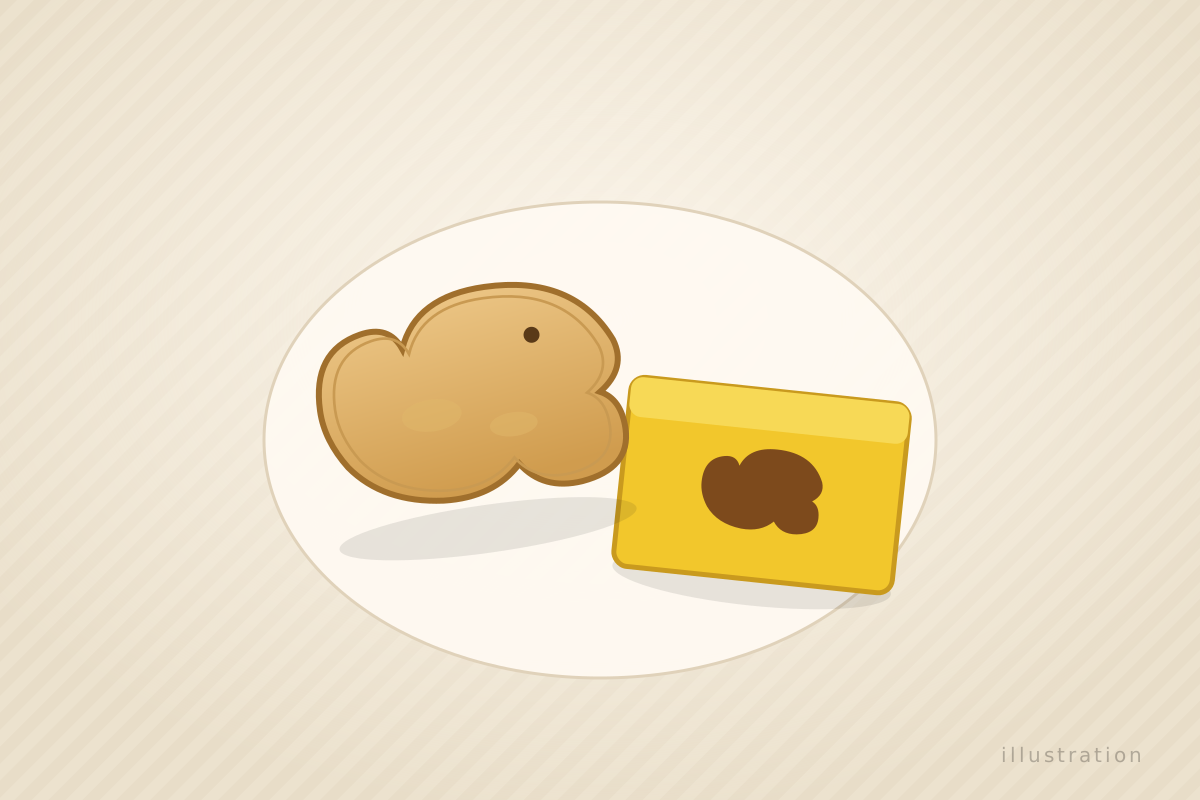 7SweetsToshimaya×Hato Sabure (dove biscuit)A dove-shaped, buttery biscuit — the absolute classic Kamakura souvenir, named for the doves of Tsurugaoka Hachimangu. Plain, crisp and light, it never tires you. Less a snacking finale than the plate you buy to take home at the Wakamiya-oji main shop. Sold singly, so you may bite one on the spot.Nearest 2-11-19 Komachi (Wakamiya-oji main shop)Price ~¥130 each