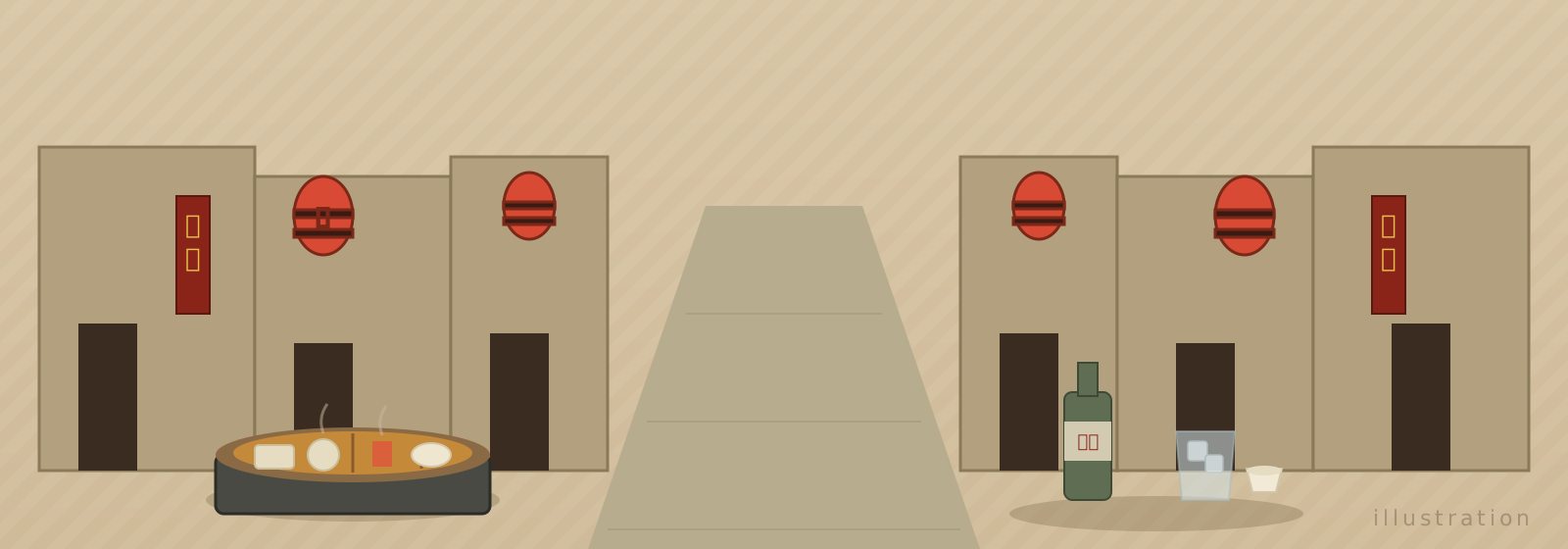
Sakaemachi Market Route

OKINAWA · SAKAEMACHI MARKET ROUTE

Sakaemachi Market Route

This route walks Sakaemachi Market near Asato Station, a market by day and a lane of small lit izakaya by night. In narrow alleys that keep a postwar look, shops crowd together serving Okinawan oden, goat dishes, peanut tofu and island scallions. The culture of senbero, a few drinks for a thousand yen, is rooted here, and you cross from shop to shop with awamori in hand. Close with cold Okinawa zenzai. A Naha drinking quarter where the Showa-era night lingers on.

🚇 Yui Rail Asato Stn, then walk🚶 ~100 min on foot🍽 6 dishes

Senbero lanes at night

By day Sakaemachi is an ordinary market of produce and fish, but at dusk it changes face. Red lanterns light the shops in the narrow alleys, and a corner of the market becomes a run of small izakaya. What is rooted here is senbero, the culture of drinking about three glasses of awamori or beer with a snack for around a thousand yen. You crowd shoulder to shoulder in counter-only shops, have a glass and move on to the next. Visitors and local regulars mix at the same tables, and the bustle grows as the night deepens. A market of the Showa era turned drinking quarter, a place distinctive even in Naha.

Awamori and Okinawa night food

For the first glass, order awamori, Okinawa's spirit of Thai rice and black koji, cut with water or ice, the three-year kusu mellow. Start the snacks with Okinawan oden: tebichi trotter, sausage and greens simmered long in a strong bonito-and-pork broth, the bone-soft trotter its signature. Strong-smelling goat soup divides people yet is loved as a nourishing bowl. Peanut-set jimami-dofu is chewy and sweet, good as a pause. Salted or tempura island scallions go well with awamori. All can be ordered in small amounts, suited to crossing from shop to shop with your drink.

How to walk this route

Start at Asato on the Yui Rail. Step off and the arcades and alleys of Sakaemachi open out. By day it is still quiet; the real hours begin after dark. Enter in the evening, settle at a first shop with awamori and Okinawan oden, then cross the alleys as the mood takes you. Senbero means not lingering at one place but moving on after two or three glasses. Pick at each shop's one plate, goat soup, jimami-dofu, island scallions, as you go. Close with cold Okinawa zenzai to cool a flushed body. The alleys are narrow and many small shops crowd with regulars, so one or a few move most easily. Some take cash only, so come prepared. Prices and hours are a guide, so check before you duck under the curtain.

Route map

Asato Stn → Sakaemachi arcade → senbero lanes (through the night alleys) · numbers match the dishes below

Central arcadeWest alleyAsato Station St🚝Asato Stn🏮Sakaemac…🍶Senbero …1Okinawan …2Yagi-jiru…3Jimami-do…4Awamori (…5Shima-rak…6Okinawa Z…

The dishes on this route (6)

Tap through to each shop and dish

1soupOden stall, Sakaemachi×Okinawan Oden (trotter, sausage)Ingredients simmered long in a strong broth of bonito and pork. Unlike mainland oden, the Okinawan version holds tebichi trotter, sausage and leafy greens. The trotter is soft to the bone, and the pork's savour dissolves into the broth. Pick what you like across the counter and nibble over a glass of awamori. A good opening to a Sakaemachi night.Nearest Asato StnPrice ¥500–900 a plate 2soupGoat-dish shop, Sakaemachi×Yagi-jiru (goat soup)Goat meat and bone stewed long with fuchiba (mugwort). It has a strong, distinctive smell that clearly divides people. Ginger and mugwort temper the gaminess, and as a nourishing bowl it has been drunk at celebrations and in summer. Seasoned lightly with salt and paired with rice. A powerful dish from the depths of Okinawan food.Nearest Asato StnPrice ¥1,000–1,500 3SnacksOkinawan shop, Sakaemachi×Jimami-dofu (peanut tofu)A tofu-like dish set from ground peanut milk with sweet-potato starch. It uses no soybean; "jimami" means peanut. Springy and chewy, it releases a peanut scent in the mouth. With a sweet brown-sugar syrup it serves as a starter or a close. Chilled and served in a small bowl, it is just right as a palate rest between rounds of awamori.Nearest Asato StnPrice ¥300–500 4DrinkSenbero izakaya, Sakaemachi×Awamori (island spirit, kusu)Okinawa's distilled spirit, brewed from Thai rice and black koji. Cut with water or ice, sometimes with a squeeze of shikuwasa. Kusu, aged three years or more, is mellow with deeper aroma. It is strong, so drink it slowly over ice. Many Sakaemachi shops offer a "senbero," about three drinks for a thousand yen, and this is the first glass.Nearest Asato StnPrice ¥400–600 a glass 5SnacksIzakaya, Sakaemachi×Shima-rakkyo, salted or tempuraOkinawa's small rakkyo scallions, served salted or as tempura. Salted and lightly cured with bonito flakes, they are crisp and their pungency rises to the nose. As tempura the heat softens and sweetness and scent come forward. Both go well with awamori, a standard Sakaemachi izakaya snack. Order a plate and pick at it slowly as you drink.Nearest Asato StnPrice ¥400–600 6SweetsSweet shop, Sakaemachi×Okinawa Zenzai (shaved-ice red bean)Unlike the mainland dish, in Okinawa zenzai means a cold ice sweet. Over kintoki beans and barley sweetened with brown sugar, shaved ice is heaped high. You scoop the beans settled at the bottom and eat them with the ice. Some shops sink rice dumplings in it. It cools a body flushed with awamori and has long been loved as a night-closing sweet.Nearest Asato StnPrice ¥400–600
Go to this area's page →
Language:日本語中文EN